
 Faire un don


- Service
- Oncologie médicale
Signaler une erreur sur cette page
Contacter le service
Oncologie médicale
Accueil et Secrétariat oncologie médicale : 03 81 47 99 99
Actualités
-
Recherche
Une avancée majeure dans le traitement du cancer anal grâce à une stratégie combinant immunothérapie et radiothérapie adaptative
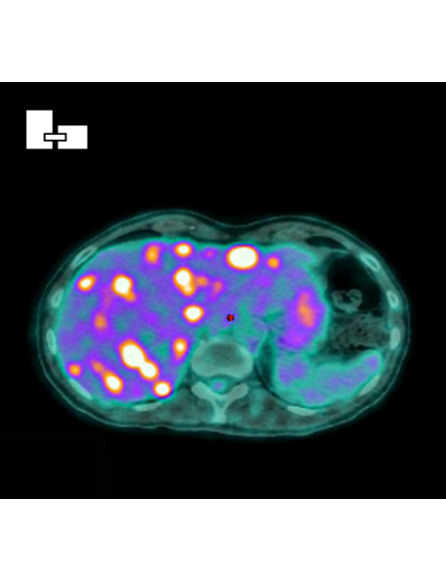
L’équipe de cancérologie digestive du CHU de Besançon / IRFC Franche-Comté vient de publier dans The Lancet Oncology une étude majeure qui… -
Recherche
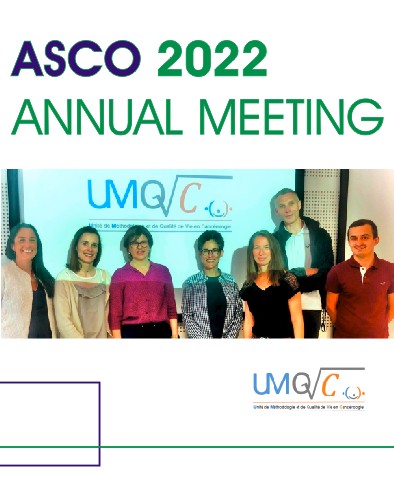
UMQVC : une alliée efficace pour la recherche en oncologie
Fondée en 1964, l’American Society of Clinical Oncology (ASCO) est la principale organisation professionnelle au monde pour les médecins, chercheurs et spécialistes… -
Recherche
Cancers HPV : une nouvelle stratégie d’immunothérapie évaluée au CHU de Besançon
Les cancers liés aux papillomavirus humains (HPV) touchent chez les hommes et les femmes, les sphères digestives et gynécologiques (col de l’utérus,…

Contributions aux publications scientifiques du CHU Besançon Franche-Comté
[Metastatic or unresectable recurrent anal canal cancer : Therapeutic approaches and emerging perspectives].
Article originalBulletin du cancer2026-Aug
Auteur CHU : Borg Christophe
Anal canal squamous cell carcinoma (ASCC) is a rare tumor, predominantly caused by HPV16 infection, with a rising incidence, highlighting the importance of optimizing primary prevention, particularly through vaccination. While management of localized disease is well-established, treatment strategies for advanced stages remain less standardized. With the advent of immunotherapy and the immunogenici
[ONCONNECTE À L’EMPLOI, feedback after three years of a program to prepare for returning to work after cancer in Franche-Comté].
Article originalBulletin du cancer2026-Sep
Auteurs CHU : Longet Jeanne, Jacquinot Quentin, Fritzsch Joëlle, Borg Christophe
ONCONNECTE À L'EMPLOI is a multidisciplinary group program designed to prepare individuals for returning to work after cancer. It takes place via videoconference and is organized by the Regional Federation Cancer Institute (IRFC), initially funded by a grant from the National Cancer Institute (INCa). It is intended for all patients in Franche-Comté who are engaged in a process of returning to prof
[Why is pancreatic adenocarcinoma resistant to immunotherapy?].
Article originalLa Revue du praticien2026-Oct
Auteurs CHU : Borg Christophe, Vienot Angélique
Immunotherapy, particularly immune checkpoint inhibitors (ICI), has revolutionized cancer treatment but remains largely ineffective in pancreatic adenocarcinoma. This resistance is due to the tumor's complex microenvironment and low immunogenicity. ICI have shown benefits only in rare MSI-High or dMMR tumors. Combining ICI with chemotherapy has not significantly improved survival outcomes. Pancrea
Clinical and biological determinants of multimodal metronomic chemotherapy efficacy in chemo-refractory gastrointestinal cancers.
Article originalInternational journal of cancer2026-Jan
Auteurs CHU : El Kaddissi Antoine, Kroemer Marie, Nguyen Thierry, Klajer Elodie, Fein Francine, Borg Christophe, Vienot Angélique
The treatment of chemo-refractory metastatic gastrointestinal carcinoma is a consequential medical need still unmet, and the presence of a tumor-permissive environment is recognized as the main resistance factor. Metronomic administration of chemotherapy might be a simple strategy to target the tumor microenvironment, circumvent angiogenesis, and deplete immune suppressive cells. However, the effi
EGFR Targeting With Afatinib and Cetuximab Versus Cetuximab Alone in Chemorefractory Wild-type RAS Metastatic Colorectal Cancer : A Randomized Phase II Study With Circulating Tumor Cell Analysis.
Article originalClinical colorectal cancer2026-Sep
Auteur CHU : Borg Christophe
This phase II randomized trial evaluated the efficacy and safety of the combination of cetuximab and afatinib in chemorefractory metastatic colorectal cancer (mCRC). We conducted a multicentre, open-label, randomized 2/1 noncomparative clinical trial in 75 patients with wild type (wt) RAS mCRC after chemotherapy failure. Patients (n = 51) received oral afatinib (40 mg/d) in combination with intrav
Voir les 65 autres publications
Ezabenlimab with induction chemotherapy and adaptive chemoradiotherapy in stage 3 squamous cell anal carcinoma – Authors’ reply.
LettreThe Lancet. Oncology2026-Feb
Auteurs CHU : Borg Christophe, Kim Stefano
Perioperative treatment in resectable gastric cancer with spartalizumab in combination with fluorouracil, leucovorin, oxaliplatin and docetaxel (FLOT): Results from the GASPAR phase 2 study.
Article originalEuropean journal of cancer (Oxford, England : 1990)2026-Mar
Auteur CHU : Borg Christophe
Perioperative chemotherapy with FLOT is a standard of care for patients with resectable gastric or gastroesophageal junction (GEJ) adenocarcinoma. This trial evaluated the anti-PD-1 monoclonal antibody spartalizumab combined with FLOT as perioperative treatment for resectable patients. GASPAR is a multicenter, single-arm, Simon two-stage phase 2 trial. Patients with untreated localized gastric or
Targeting SALL4 with an HLA Class I-Restricted TCR for Cancer Immunotherapy.
Article originalCancer immunology research2026-Jan
Auteurs CHU : Asgarov Kamal, Vienot Angélique, Binda Delphine, Adotévi Olivier, Kroemer Marie, Borg Christophe
Aberrant expression of the oncogene SALL4 is associated with stemness, a more aggressive cancer phenotype, and reduced patient survival in various tumor types, making SALL4 a potential target for cancer immunotherapy. We conducted a transcriptional analysis of SALL4 expression in colorectal cancer tissues and demonstrated that SALL4 was overexpressed in primary tumors and paired liver metastases.
Authors’ reply to the Letters to the Editor discussing main outcomes of the PRODIGE 23 study.
LettreAnnals of oncology : official journal of the European Society for Medical Oncology2025-Feb
Auteur CHU : Borg C
Bevacizumab-based chemotherapy adaptive to pharmacokinetic of bevacizumab in first-line treatment of patients with unresectable metastatic colorectal cancer : A double-blind, multicenter, randomized phase III trial study (PHARBEVACOL trial).
Article originalDigestive and liver disease : official journal of the Italian Society of Gastroenterology and the Italian Association for the Study of the Liver2025-May
Auteur CHU : Borg Christophe
Bevacizumab shows inter-individual pharmacokinetic variability, with an exposure-response relationship in metastatic colorectal cancer (mCRC) patients. This study explores whether a double dose of bevacizumab, compared to a standard dose, increases efficacy in mCRC patients treated with bevacizumab-based chemotherapy as first-line therapy and who have a low initial trough concentration of bevacizu
Characterization and clinical outcomes of rare biliary adenosquamous carcinoma.
Article originalEuropean journal of surgical oncology : the journal of the European Society of Surgical Oncology and the British Association of Surgical Oncology2025-Aug
Auteurs CHU : Ruffat Anne, Monnien Franck, Molimard Chloé, Fein Francine, Doussot Alexandre, Vuitton Lucine, Borg Christophe, Vienot Angélique
Data are scarce regarding biliary adenosquamous carcinoma (BASC) due to its low incidence. BASC displays a worse prognosis than adenocarcinoma and its specific treatment is still an unmet medical need. We conducted a description analysis of BASC including clinicopathologic parameters and treatment outcomes. All consecutive patients with histologically proven BASC diagnosed in six French hospitals
Concomitant proton pump inhibitors and capecitabine-based chemoradiotherapy in rectal cancer : an ancillary study from the PRODIGE 23 trial.
Article originalESMO gastrointestinal oncology2025-Mar
Auteur CHU : Borg C
Approximately one in five cancer patients use proton pump inhibitors (PPIs). In this work, we studied the effect of PPI co-medication during neoadjuvant chemoradiotherapy (NCRT) for locally advanced rectal cancer (LARC) based on the phase III PRODIGE 23 trial. We gathered data on PPI exposure for patients from the PRODIGE 23 trial. PPI exposure was defined as PPI use during capecitabine treatment,
Deciphering human endogenous retrovirus expression in colorectal cancers : exploratory analysis regarding prognostic value in liver metastases.
Article originalEBioMedicine2025-Jun
Auteurs CHU : Viot Julien, Monnien Franck, Selmani Zohair, Adotevi Olivier, Vienot Angélique, Vernerey Dewi, Borg Christophe
Human Endogenous RetroVirus (HERV) expression in tumours reflects epigenetic dysregulation of cancer and an oncogenic factor through promoter/enhancer action on genes. While more than 50% of colorectal cancers develop liver metastases, HERV has not been studied in this context. We collected 400 RNA-seq samples from over 200 patients with primary and liver metastases, including public data and a no
Dynamic DNA methylation changes during colorectal oncogenesis with insights from adenoma stages.
Article originalScientific reports2025-Nov
Auteurs CHU : Overs Alexis, Molimard Chloé, Bibeau Frédéric, Monnien Franck, Borg Christophe, Feugeas Jean-Paul, Selmani Zohair
The dynamics of colorectal epigenetics within the adenoma stages of oncogenesis remain undocumented. In this study, we investigated DNA methylation dynamics in colorectal cancer oncogenesis from non-tumor colon tissue to low-grade, high-grade adenoma and adenocarcinoma. The methylome of 12 low-grade and 19 high-grade colorectal adenomas was determined via the EPIC v1 Human Methylation BeadChip. Th
Early ctDNA and Survival in Metastatic Colorectal Cancer Treated With Immune Checkpoint Inhibitors : A Secondary Analysis of the SAMCO-PRODIGE 54 Randomized Clinical Trial.
Article originalJAMA oncology2025-Aug
Auteur CHU : Borg Christophe
Immune checkpoint inhibitors (ICIs) have dramatically transformed the therapeutic landscape of deficient mismatch repair/microsatellite unstable-high (dMMR/MSI-H) metastatic colorectal cancer (mCRC); however, ICI use is challenged by primary resistance and timing of discontinuation. Whether circulating tumor DNA (ctDNA) may be predictive of progression-free survival (PFS) and overall survival (OS)
ERBB2 Comprehensive Profiling and Prognostication in Stage III Colon Cancer : Findings From PETACC8 and IDEA-France Cohorts.
Article originalGastroenterology2025-Apr
Auteur CHU : Borg Christophe
ERBB2 pathway activation, through amplification or activating mutations, represents a new target for colon cancer (CC) treatment. Molecular methods were compared with the gold standard for assessing ERBB2 status, and the prognostic value of ERBB2 amplification, mutations, and expression was determined using data from 2 phase 3 trials involving nearly 3000 patients with stage III CC. In the PETACC8
Evaluation of serum mid-infrared spectroscopy as new prognostic marker for first-line bevacizumab-based chemotherapy in metastatic colorectal cancer.
Article originalDigestive and liver disease : official journal of the Italian Society of Gastroenterology and the Italian Association for the Study of the Liver2025-Jan
Auteur CHU : Borg Christophe
Bevacizumab-based chemotherapy is a recommended first-line treatment for metastatic colorectal cancer (mCRC). Robust biomarkers with clinical practice applicability have not been identified for patients with this treatment. We aimed to evaluate the prognostic yield of serum mid-infrared spectroscopy (MIRS) on patients receiving first-line bevacizumab-based chemotherapy for mCRC. We conducted an an
Exploring the role of ESR1 mutations in metastatic hormone receptor-positive breast cancer T cell immune surveillance disruption.
Article originalBreast cancer research : BCR2025-Feb
Auteurs CHU : Lopez Morgane, Spehner Laurie, Viot Julien, Curtit Elsa, Meynard Guillaume, Dobi Erion, Borg Christophe, Mansi Laura, Kroemer Marie
Breast Cancer (BC) is the most common type of cancer in women around the world and 70% of cases are hormone-receptor positive (HR+). In 40% of cases, a key mechanism of endocrine resistance to the standard first line is a mutation of the ligand-binding domain (LBD) of Estrogen Receptor 1 (ESR1) encoding estrogen receptor α (ER). Most common ESR1 mutations that occur at positions 537 and 538 have b
Ezabenlimab and induction chemotherapy followed by adaptive chemoradiotherapy in patients with stage 3 squamous cell anal carcinoma (INTERACT-ION): an open-label, single-arm, phase 2 trial.
Article originalThe Lancet. Oncology2025-Dec
Auteurs CHU : Kim Stefano, Boustani Jihane, Iseas Soledad, Vernerey Dewi, Vienot Angélique, Nguyen Thierry, Rebucci-Peixoto Magali, Meurisse Aurélia, Borg Christophe
The standard of care for patients with locally advanced squamous cell anal carcinoma (SCAC) is concurrent chemoradiotherapy; however, recurrence rates are almost 40% and severe toxic effects include treatment-related colostomy. Anti-PD-1 agents are effective in those with treatment-naive recurrent or metastatic SCAC. We aimed to evaluate the activity and safety of the PD-1 inhibitor ezabenlimab pl
Liver metastases of colorectal cancer contain different subsets of tissue-resident memory CD8 T cells correlated with a distinct risk of relapse following surgery.
Article originalOncoimmunology2025-Dec
Auteurs CHU : Doussot Alexandre, Kroemer Marie, El Kaddissi Antoine, Vienot Angélique, Viot Julien, Lakkis Zaher, Monnien Franck, Borg Christophe
Tissue-resident memory (T) T cells have emerged as key players in cancer immunosurveillance, and their presence has been linked to a favorable clinical outcome in solid cancer patients. Liver metastases exhibit a highly immunosuppressive tumor microenvironment, however, the role and clinical impact of T cell infiltration in colorectal cancer remain elusive. The expression of several tissue residen
Regorafenib and metronomic capecitabine, cyclophosphamide, and aspirin in refractory metastatic colorectal cancer : results from the REPROGRAM-01 single-arm phase II trial.
Article originalESMO gastrointestinal oncology2025-Dec
Auteurs CHU : El Kaddissi A, Vienot A, Nguyen T, Klajer E, Fein F, Stouvenot M, Almotlak H, Selmani Z, Folletet A, Borg C
Treatment of chemotherapy-resistant metastatic colorectal cancers (mCRCs) is still an unmet medical need. Combining regorafenib, an antiangiogenic multikinase inhibitor with metronomic chemotherapy and aspirin may enhance efficacy to circumvent the tumor microenvironment and offer better clinical outcomes. REPROGRAM-01 was a signal-seeking phase II study assessing the efficacy and safety of multim
Regorafenib plus modified gemcitabine-oxaliplatin in patients with advanced biliary tract cancer. The randomized phase Ib/II BREGO study.
Article originalThe oncologist2025-Jun
Auteur CHU : Borg Christophe
New therapeutic options are needed for biliary tract cancer (BTC). Regorafenib, a multikinase inhibitor, shows promise in refractory digestive cancers and may be beneficial with conventional chemotherapy for BTC. The BREGO study evaluated regorafenib with modified gemcitabine-oxaliplatin (mGEMOX) in advanced or metastatic BTC. Phase I determined the recommended dose (RP2D) of regorafenib (80, 120
Stanniocalcin 1 in Patients with Refractory Colorectal Cancer Treated with Regorafenib : A Post Hoc Biomarker Analysis of the TEXCAN and CORRECT Trials.
Article originalCancer research communications2025-Feb
Auteurs CHU : Vienot Angélique, Vernerey Dewi, Bouard Adeline, Klajer Elodie, Kim Stefano, Wespiser Mylène, Spehner Laurie, Borg Christophe
Biomarkers for antiangiogenic drugs in chemorefractory metastatic colorectal cancer (mCRC) are lacking. We investigated the relationship between stanniocalcin 1 (STC1) and outcomes in patients treated with regorafenib in the TEXCAN and CORRECT trials. Baseline plasma STC1 protein levels were measured by ELISA from patients with chemorefractory mCRC enrolled in TEXCAN (regorafenib n = 48) and CORRE
UCPVax, a CD4 helper peptide vaccine, induces polyfunctional Th1 cells, antibody response, and epitope spreading to improve antitumor immunity.
Article originalCell reports. Medicine2025-Jul
Auteurs CHU : Jacquin Marion, Meurisse Aurélia, Vernerey Dewi, Borg Christophe, Adotévi Olivier
The induction of an antitumor CD4 T helper response is essential for the efficacy of therapeutic cancer vaccines. However, few vaccines are specifically designed to target CD4 T cells in human cancers. Here, we characterize the immune mechanisms of UCPVax, a helper peptide vaccine derived from telomerase. Ex vivo immune profiling of peripheral blood from 60 patients with advanced lung cancer revea
A comparison of target volumes drawn on arterial and venous phase scans during radiation therapy planning for patients with pancreatic cancer : the PANCRINJ study.
Article originalRadiation oncology (London, England)2024-Jul
Auteurs CHU : Zaidi Fabien, Calame Paul, Chevalier Cédric, Henriques Julie, Vernerey Dewi, Vuitton Lucine, Heyd Bruno, Borg Christophe, Boustani Jihane
The planification of radiation therapy (RT) for pancreatic cancer (PC) requires a dosimetric computed tomography (CT) scan to define the gross tumor volume (GTV). The main objective of this study was to compare the inter-observer variability in RT planning between the arterial and the venous phases following intravenous contrast. PANCRINJ was a prospective monocentric study that included twenty pa
Atezolizumab plus modified docetaxel, cisplatin, and fluorouracil as first-line treatment for advanced anal cancer (SCARCE C17-02 PRODIGE 60): a randomised, non-comparative, phase 2 study.
Article originalThe Lancet. Oncology2024-Apr
Auteurs CHU : Kim Stefano, Bibeau Frederic, Meurisse Aurelia, Vernerey Dewi, Borg Christophe
The modified docetaxel, cisplatin, and fluorouracil (mDCF) regimen has shown efficacy and safety as first-line treatment for advanced squamous cell carcinoma of the anus, making it a standard regimen. Inhibitors of programmed cell death protein 1 and its ligand, such as pembrolizumab, nivolumab, retifanlimab, avelumab, and atezolizumab, have shown some antitumour activity as monotherapy in advance
CD3-CD8 immune score associated with a clinical score stratifies PDAC prognosis regardless of adjuvant or neoadjuvant chemotherapy.
Article originalOncoimmunology2024
Auteurs CHU : Vienot Angélique, Borg Christophe, Monnien Franck, Bibeau Frederic
Stratification of the prognosis of pancreatic cancer (PDAC) patients treated by surgery is based solely on clinical variables, such as tumor stage and node status. The development of biomarkers of relapse is needed, especially to drive administration of adjuvant therapy in this at-risk population. Our study evaluates the prognostic performance of a CD3- and CD8-based immune score. CD3, CD8 and Fox
COL25A1 and METAP1D DNA methylation are promising liquid biopsy epigenetic biomarkers of colorectal cancer using digital PCR.
Article originalClinical epigenetics2024-Oct
Auteurs CHU : Overs Alexis, Molimard Chloé, Monnien Franck, Vienot Angélique, Viot Julien, Borg Christophe, Feugeas Jean-Paul, Selmani Zohair
Colorectal cancer is a public health issue and was the third leading cause of cancer-related death worldwide in 2022. Early diagnosis can improve prognosis, making screening a central part of colorectal cancer management. Blood-based screening, diagnosis and follow-up of colorectal cancer patients are possible with the study of cell-free circulating tumor DNA. This study aimed to identify novel DN
Confounding mitigation for the exposure-response relationship of bevacizumab in colorectal cancer patients.
Article originalBritish journal of clinical pharmacology2024-Apr
Auteur CHU : Borg Christophe
The exposure-response relationship of bevacizumab may be confounded by various factors, including baseline characteristics, time-dependent target engagement and recursive relationships between exposure and response, requiring effective mitigation. This study aimed to investigate the exposure-response relationships of bevacizumab in metastatic colorectal cancer (mCRC) patients while mitigating pote
Deep Multiple Instance Learning Model to Predict Outcome of Pancreatic Cancer Following Surgery.
Article originalBiomedicines2024-Dec
Auteurs CHU : Molimard Chloe, Vienot Angelique, Borg Christophe, Monnien Franck, Bibeau Frédéric
: Pancreatic ductal adenocarcinoma (PDAC) is a cancer with very poor prognosis despite early surgical management. To date, only clinical variables are used to predict outcome for decision-making about adjuvant therapy. We sought to generate a deep learning approach based on hematoxylin and eosin (H&E) or hematoxylin, eosin and saffron (HES) whole slides to predict patients' outcome, compare these
Evaluation of immune infiltrate according to the HER2 status in colorectal cancer.
Article originalDigestive and liver disease : official journal of the Italian Society of Gastroenterology and the Italian Association for the Study of the Liver2024-May
Auteurs CHU : Molimard Chloé, Dor Fanny, Overs Alexis, Monnien Franck, Kedochim Loïs, D'Angelo Flavia, Abad Marine, Heberle Morgane, Vuitton Lucine, Borg Christophe, Lakkis Zaher, Bibeau Fréderic
In colorectal cancer (CRC), HER2 targeting is a promising treatment and immune infiltrate is an important area of research and strategy. Data regarding HER2 status and immune infiltrate are lacking. The aim of this study was to compare the immune infiltrate between HER2 amplified and non-amplified categories in proficient MisMatchRepair (pMMR)/microsatellite stable (MSS) CRC. HER2 immunohistochemi
Phase I/II study of trifluridine/tipiracil plus XB2001 versus trifluridine/tipiracil in metastatic colorectal cancer.
Article originalFuture oncology (London, England)2024
Auteur CHU : Borg Christophe
Trifluridine/tipiracil-bevacizumab is a standard of care in metastatic colorectal cancer (mCRC) after chemotherapy failure. We aim to assess the addition of XB2001 (anti-IL-1 alpha monoclonal antibody) plus trifluridine/tipiracil-bevacizumab in mCRC refractory to standard chemotherapy. This multicenter, randomized, double blind, non-comparative Phase I-II study (ClinicalTrials.gov NCT05201352) wil
Primary resistance to immunotherapy in patients with a dMMR/MSI metastatic gastrointestinal cancer : who is at risk ? An AGEO real-world study.
Article originalBritish journal of cancer2024-Feb
Auteur CHU : Borg Christophe
The outstanding efficacy of immunotherapy in metastatic dMMR/MSI gastro-intestinal (GI) cancers has led to a rapid increase in the number of patients treated. However, 20-30% of patients experience primary resistance to immune checkpoint inhibitors (ICIPR) and need better characterization. This AGEO real-world study retrospectively analyzed the efficacy and safety of ICIs and identified clinical v
Prognostic Factors for Long-Term Eribulin Response in a Cohort of Patients With HER2-Negative Metastatic Breast Cancer.
Article originalClinical breast cancer2024-Oct
Auteurs CHU : El Kaddissi Antoine, Vernerey Dewi, Falcoz Antoine, Mansi Laura, Bazan Fernando, Chaigneau Loïc, Dobi Erion, Goujon Morgan, Meneveau Nathalie, Paillard Marie-Justine, Selmani Zohair, Viot Julien, Molimard Chloé, Monnien Franck, Woronoff Anne-Sophie, Curtit Elsa, Borg Christophe, Meynard Guillaume
Eribulin is used in taxane and anthracycline refractory HER2-negative metastatic breast cancers (MBC). Patients treated in pivotal clinical trials achieved low survival rates, therefore, the identification of prognostic criteria for long progression-free survival (PFS) is still an unmet medical need. In this study, we sought to determine potential prognostic criteria for long-term eribulin respons
Prognostic value of the tumor-to-liver density ratio in patients with metastatic colorectal cancer treated with bevacizumab-based chemotherapy. A post-hoc study of the STIC-AVASTIN trial.
Article originalCancer imaging : the official publication of the International Cancer Imaging Society2024-Jun
Auteur CHU : Borg Christophe
The Response Evaluation Criteria in Solid Tumors (RECIST) are often inadequate for the early assessment of the response to cancer therapy, particularly bevacizumab-based chemotherapy. In a first cohort of patients with colorectal cancer liver metastases (CRLM), we showed that variations of the tumor-to-liver density (TTLD) ratio and modified size-based criteria determined using computed tomography
Targeting mTOR signaling for the treatment of intrahepatic cholangiocarcinoma with TSC1/ARID1A mutations : a case report with an unexpected response.
Article originalTherapeutic advances in medical oncology2024
Auteurs CHU : Daugan Clémentine, Borg Christophe, Vienot Angélique
Biliary tract cancer incidence is increasing and the prognostic remains dismal. The development of personalized medicine is a pivotal issue in proposing therapeutic options for biliary tract cancer patients. Whole exome sequencing identifies approximately 15% of mutations and 15% of fusions in intrahepatic cholangiocarcinoma. Other patients are not currently eligible for targeted therapy. Here,
Temporal and spatial heterogeneity of HER2 status in metastatic colorectal cancer.
Article originalDiagnostic pathology2024-Jun
Auteurs CHU : D'Angelo Flavia, Monnien Franck, Overs Alexis, Pem Irvin, Dor Fanny, Abad Marine, Felix Sophie, Selmani Zohair, Lakkis Zaher, Borg Christophe, Doussot Alexandre, Bibeau Fréderic, Molimard Chloé
HER2-targeted therapies have recently emerged as an option in the management of metastatic colorectal cancer (mCRC) overexpressing HER2. However, data regarding HER2 status in primary CRC and its corresponding liver metastases are limited, potentially influencing clinical decisions. Therefore, the aim of this study was to compare the HER2 status in primary CRC and paired liver metastases. Patients
Total neoadjuvant therapy with mFOLFIRINOX versus preoperative chemoradiotherapy in patients with locally advanced rectal cancer : long-term results of the UNICANCER-PRODIGE 23 trial.
Article originalAnnals of oncology : official journal of the European Society for Medical Oncology2024-Oct
Auteur CHU : Borg C
The standard of care for the treatment of locally advanced rectal cancer (LARC) results in an excellent local disease control but the metastasis rates remain high. PRODIGE 23 demonstrated improved disease-free survival (DFS) and metastasis-free survival (MFS) with total neoadjuvant therapy versus standard of care in this population. Long-term analysis of overall survival (OS) is reported here. The
Visceral fat and clinical outcome in patients receiving first-line chemotherapy with bevacizumab for metastatic colorectal cancer.
Article originalClinics and research in hepatology and gastroenterology2024-Aug
Auteurs CHU : Borg Christophe, Manzoni Philippe
Visceral fat produces angiogenic factors such as vascular endothelial growth factor that promote tumoral growth. However, its influence on outcome for patients with advanced cancer treated with anti-angiogenic agents is controversial. The aim of this study was to determine whether visceral fat volume, visceral fat area and body mass index are associated with outcome in patients receiving first-lin
Avelumab vs Standard Second-Line Chemotherapy in Patients With Metastatic Colorectal Cancer and Microsatellite Instability : A Randomized Clinical Trial.
Article originalJAMA oncology2023-Oct
Auteur CHU : Borg Christophe
Only 1 randomized clinical trial has shown the superiority of immune checkpoint inhibitors in patients with deficient mismatch repair and/or microsatellite instability (dMMR/MSI) metastatic colorectal cancer (mCRC) in the first-line setting. To determine whether avelumab (an anti-programmed cell death ligand 1 antibody) improves progression-free survival (PFS) compared with standard second-line ch
CD8 CD226 T cells in liver metastases dictate the prognosis of colorectal cancer patients treated with chemotherapy and radical surgery.
Article originalCellular & molecular immunology2023-Apr
Auteurs CHU : Viot Julien, Vienot Angélique, Spehner Laurie, Klajer Elodie, Molimard Chloé, Monnien Franck, Bibeau Frederic, Turco Celia, Heyd Bruno, Doussot Alexandre, Borg Christophe, Kroemer Marie
CD226 has been reported to participate in the rescue of CD8 T cell dysfunction. In this study, we aimed to assess the prognostic value of CD226 in tumor-infiltrating lymphocytes (TILs) derived from colorectal cancer (CRC) liver metastases treated with chemotherapy and radical surgery. TILs from 43 metastases were isolated and analyzed ex vivo using flow cytometry. CD155 and CD3 levels in the tumor
DCF versus doublet chemotherapy as first-line treatment of advanced squamous anal cell carcinoma : a multicenter propensity score-matching study.
LettreExperimental hematology & oncology2023-Jul
Auteurs CHU : Kim Stefano, Vienot Angélique, Jacquin Marion, Klajer Elodie, Nguyen Thierry, Vernerey Dewi, Meurisse Aurélia, Borg Christophe
Triplet DCF (docetaxel, cisplatin and 5-flurouracil) and doublet CP/CF (carboplatin and paclitaxel/cisplatin and 5-fluorouracil) regimens were prospectively evaluated in advanced squamous anal cell carcinoma (SCCA), and validated as standard treatments. Even though the high efficacy and good tolerance of DCF regimen were confirmed in 3 independent prospective trials, doublet CP regimen is still re
Efficacy and safety of maintenance therapy with pamiparib versus placebo for advanced gastric cancer responding to first-line platinum-based chemotherapy : Phase 2 study results.
Article originalCancer medicine2023-Jun
Auteur CHU : Borg Christophe
Poly (ADP-ribose) polymerase (PARP) inhibitors (PARPi) are approved for the treatment of various solid tumors. In gastric cancer, genes commonly harbor mutations in the homologous recombination DNA repair pathway, potentially increasing sensitivity to PARPi. Pamiparib (BGB-290) is a small molecule inhibitor of PARP1 and PARP2. The PARALLEL-303 study (NCT03427814) investigated the efficacy and safe
Evaluation of the interest to combine a CD4 Th1-inducer cancer vaccine derived from telomerase and atezolizumab plus bevacizumab in unresectable hepatocellular carcinoma : a randomized non-comparative phase II study (TERTIO – PRODIGE 82).
Article originalBMC cancer2023-Jul
Auteurs CHU : Vienot Angélique, Jacquin Marion, Rebucci-Peixoto Magali, Pureur Dimitri, Stouvenot Morgane, Di Martino Vincent, Muller Allison, Clairet Anne-Laure, Fagnoni-Legat Christine, Adotevi Olivier, Meurisse Aurélia, Vernerey Dewi, Borg Christophe
Several cancer immunotherapies that target the PD-L1/PD-1 pathway show promising clinical activity in patients with hepatocellular carcinoma (HCC). However, the standard of care in first-line treatment with atezolizumab (anti-PD-L1 therapy) in combination with bevacizumab is associated with a limited objective response rate. Telomerase reverse transcriptase (TERT) activation meets the criteria of
Neoadjuvant chemotherapy with FOLFIRINOX and preoperative chemoradiotherapy for patients with locally advanced rectal cancer (UNICANCER PRODIGE 23): Health-related quality of life longitudinal analysis.
Article originalEuropean journal of cancer (Oxford, England : 1990)2023-Jun
Auteur CHU : Borg Christophe
Results from the phase 3 PRODIGE 23 study showed that neoadjuvant chemotherapy (NAC) with mFOLFIRINOX and preoperative chemoradiotherapy improved disease-free survival compared with preoperative chemoradiotherapy in patients with locally advanced rectal cancer. We aimed to assess the health-related quality of life (HRQOL) outcomes from this study. A total of 461 patients (231 versus 230 patients)
Predictive biomarkers and specific immune responses of COVID-19 mRNA vaccine in patients with cancer : prospective results from the CACOV-VAC trial.
Article originalBMJ oncology2023
Auteurs CHU : Spehner Laurie, Orillard Emeline, Falcoz Antoine, Lepiller Quentin, Almotlak Hamadi, Kim Stefano, Curtit Elsa, Meynard Guillaume, Nardin Charlee, Chartral Ugo, Lopez Morgane, Vernerey Dewi, Adotevi Olivier, Borg Christophe, Mansi Laura
Vaccinated patients with cancer in follow-up studies showed a high seropositivity rate but impaired antibody titres and T cell responses following mRNA vaccine against COVID-19. Besides clinical characteristics and the type of anticancer treatment before vaccination, the identification of patients susceptible to non-response following vaccination using immunological markers is worth to be investig
Safety, Immunogenicity, and 1-Year Efficacy of Universal Cancer Peptide-Based Vaccine in Patients With Refractory Advanced Non-Small-Cell Lung Cancer : A Phase Ib/Phase IIa De-Escalation Study.
Article originalJournal of clinical oncology : official journal of the American Society of Clinical Oncology2023-Jan
Auteurs CHU : Adotévi Olivier, Vernerey Dewi, Jacoulet Pascale, Meurisse Aurélia, Almotlak Hamadi, Jacquin Marion, Kaulek Vincent, Boullerot Laura, Orillard Emeline, Eberst Guillaume, Gainet-Brun Marie, Clairet Anne-Laure, Guillaume Yves, Kroemer Marie, Hocquet Didier, Moltenis Mélanie, Limat Samuel, Fagnoni-Legat Christine, Borg Christophe, Westeel Virginie
Universal cancer peptide-based vaccine (UCPVax) is a therapeutic vaccine composed of two highly selected helper peptides to induce CD4+ T helper-1 response directed against telomerase. This phase Ib/IIa trial was designed to test the safety, immunogenicity, and efficacy of a three-dose schedule in patients with metastatic non-small-cell lung cancer (NSCLC). Patients with refractory NSCLC were assi
SALL4-related gene signature defines a specific stromal subset of pancreatic ductal adenocarcinoma with poor prognostic features.
Article originalMolecular oncology2023-Jul
Auteurs CHU : Vienot Angélique, Monnien Franck, Molimard Chloé, Bibeau Frédéric, Borg Christophe
Pancreatic ductal adenocarcinoma (PDAC) is marked by molecular heterogeneity and poor prognosis. Among the stemness-related transcription factors, Spalt-like Transcription Factor 4 (SALL4) is correlated with unfavorable outcomes; however, its roles in PDAC remain unclear. SALL4 expression defines a PDAC subpopulation characterized by a shortened patient survival. Although SALL4 expression was most
The presence of senescent peripheral T-cells is negatively correlated to COVID-19 vaccine-induced immunity in cancer patients under 70 years of age.
Article originalFrontiers in immunology2023
Auteurs CHU : Orillard E, Spehner L, Mansi L, Falcoz A, Lepiller Q, Vienot A, Kroemer M, Borg C
Cancer patients are at risk of severe COVID-19 infection, and vaccination is recommended. Nevertheless, we observe a failure of COVID-19 vaccines in this vulnerable population. We hypothesize that senescent peripheral T-cells alter COVID-19 vaccine-induced immunity. We performed a monocentric prospective study and enrolled cancer patients and healthy donors before the COVID-19 vaccination. The pri
Time to recurrence and its relation to survival after recurrence in patients resected for stage III colon cancer.
Article originalEuropean journal of cancer (Oxford, England : 1990)2023-Nov
Auteurs CHU : Falcoz Antoine, Borg Christophe, Vernerey Dewi
It is intuitively thought that early relapse is associated with poor survival after recurrence (SAR) in resected colon cancer (CC) patients, but this has never been formally studied. We pooled data from stage III patients treated with oxaliplatin-based adjuvant therapy in two phase III trials, to analyse time to recurrence (TTR) and its relationship with SAR. TTR and SAR were also studied accordin
A new workflow combining magnetic cell separation and impedance-based cell dispensing for gentle, simple and reliable cloning of specific CD8+ T cells.
Article originalSLAS technology2022-Apr
Auteurs CHU : Abdeljaoued Syrine, Borg Christophe, Binda Delphine
Reverse immunology has open the door to innovative cancer immunotherapy strategies such as immunogenic antigen-based vaccination and transgenic T cell receptor (TCR)-based adoptive cell transfer. This approach enables the identification of immunogenic tumor specific antigen derived peptides. One of the major challenges is the rapid selection of antigen-specific CD8+ T cell clones. Thus, IFNγ-produ
A Phase II Study Evaluating the Interest to Combine UCPVax, a Telomerase CD4 T1-Inducer Cancer Vaccine, and Atezolizumab for the Treatment of HPV Positive Cancers : VolATIL Study.
Article originalFrontiers in oncology2022
Auteurs CHU : Rebucci-Peixoto Magali, Vienot Angélique, Adotevi Olivier, Jacquin Marion, Maurina Tristan, Kalbacher Elsa, Bazan Fernando, Meynard Guillaume, Clairet Anne-Laure, Fagnoni-Legat Christine, Vernerey Dewi, Meurisse Aurélia, Kim Stefano, Borg Christophe, Mansi Laura
There is a strong rational of using anti-programmed cell death protein-1 and its ligand (anti-PD-1/L1) antibodies in human papillomavirus (HPV)-induced cancers. However, anti-PD-1/L1 as monotherapy induces a limited number of objective responses. The development of novel combinations in order to improve the clinical efficacy of an anti-PD-1/L1 is therefore of interest. Combining anti-PD-1/L1 thera
Chemokine switch regulated by TGF-β1 in cancer-associated fibroblast subsets determines the efficacy of chemo-immunotherapy.
Article originalOncoimmunology2022
Auteurs CHU : Vienot Angélique, Viot Julien, Borg Christophe
Combining immunogenic cell death-inducing chemotherapies and PD-1 blockade can generate remarkable tumor responses. It is now well established that TGF-β1 signaling is a major component of treatment resistance and contributes to the cancer-related immunosuppressive microenvironment. However, whether TGF-β1 remains an obstacle to immune checkpoint inhibitor efficacy when immunotherapy is combined w
Cusatuzumab for treatment of CD70-positive relapsed or refractory cutaneous T-cell lymphoma.
Article originalCancer2022-Mar
Auteur CHU : Borg Christophe
The clinical benefit of cusatuzumab, a CD70-directed monoclonal antibody with enhanced effector functions, was investigated in patients with relapsed/refractory (R/R) cutaneous T-cell lymphoma (CTCL). In this cohort expansion of the ARGX-110-1201 study, 27 patients with R/R CTCL received cusatuzumab at 1 (n = 11) or 5 mg/kg (n = 16) once every 3 weeks to investigate its safety, dose, and explorato
First-line trifluridine/tipiracil + bevacizumab in patients with unresectable metastatic colorectal cancer : final survival analysis in the TASCO1 study.
Article originalBritish journal of cancer2022-Jun
Auteur CHU : Borg C
Therapeutic options are limited in patients with unresectable metastatic colorectal cancer (mCRC) ineligible for intensive chemotherapy. The use of trifluridine/tipiracil plus bevacizumab (TT-B) in this setting was evaluated in the TASCO1 trial; here, we present the final overall survival (OS) results. TASCO1 was an open-label, non-comparative phase II trial. Patients (n = 153) were randomised 1:1
Harnessing Antitumor CD4 T Cells for Cancer Immunotherapy.
Revue de la littératureCancers2022-Jan
Auteurs CHU : Abdeljaoued Syrine, Borg Christophe, Adotévi Olivier
Over the past decades, CD4 T cells have been considered as a supporting actor in the fields of cancer immunotherapy. Until recently, accumulating evidence has demonstrated the critical role of CD4 T cells during antitumor immunity. CD4 T cells can either suppress or promote the antitumor cytotoxic CD8 T cell responses, either in secondary lymphoid organs or in the tumor. In this review, we provide
Homeostatic cytokines tune naivety and stemness of cord blood-derived transgenic T cells.
Article originalCancer gene therapy2022-Jul
Auteurs CHU : Adotévi Olivier, Borg Christophe
Engineered T-cell therapies have proven to be successful in cancer and their clinical effectiveness is directly correlated with the infused T-cell differentiation profile. Indeed, stem cell memory and central memory T cells proliferate and persist longer in vivo compared with more-differentiated T cells, while conferring enhanced antitumor activity. Here, we propose an optimized process using cord
Immune microenvironment in patients with mismatch-repair-proficient oligometastatic colorectal cancer exposed to chemotherapy : the randomized MIROX GERCOR cohort study.
Article originalMolecular oncology2022-Jun
Auteurs CHU : Vernerey Dewi, Borg Christophe
In the era of immune checkpoint inhibitors, understanding the metastatic microenvironment of proficient mismatch repair/microsatellite stable (pMMR/MSS) colorectal cancer (CRC) is of paramount importance to both prognostication and the development of more effective novel therapies. In this study, primary and paired metastasis tissue samples were collected from patients with resectable metastatic C
Impact of the COVID-19 pandemic on disease stage and treatment for patients with pancreatic adenocarcinoma : A French comprehensive multicentre ambispective observational cohort study (CAPANCOVID).
Article originalEuropean journal of cancer (Oxford, England : 1990)2022-May
Auteurs CHU : Borg Christophe, Doussot Alexandre
The COVID-19 pandemic caused major oncology care pathway disruption. The CAPANCOVID study aimed to evaluate the impact on pancreatic adenocarcinoma (PA) - from diagnosis to treatment - of the reorganisation of the health care system during the first lockdown. This multicentre ambispective observational study included 833 patients diagnosed with PA between September 1, 2019 and October 31, 2020 fro
Impact of trough concentrations of regorafenib and its major metabolites M-2 and M-5 on overall survival of chemorefractory metastatic colorectal cancer patients : Results from a multicentre GERCOR TEXCAN phase II study.
Article originalEuropean journal of cancer (Oxford, England : 1990)2022-Jun
Auteurs CHU : Henriques Julie, Borg Christophe, Kim Stefano, Vernerey Dewi
This prospective pharmacokinetic (PK) ancillary study of the TEXCAN phase II GERCOR trial of patients with chemorefractory metastatic colorectal cancer and treated with regorafenib (REGO) investigated correlations between overall survival (OS) and concentrations (C) of REGO and its active metabolites, M-2 and M-5. 55 patients received REGO 160 mg/day for 21 days of a 28-day cycle (NCT02699073). RE
Interest of the Addition of Taxanes to Standard Treatment in First-Line Advanced HER2 Positive Gastroesophageal Adenocarcinoma in Selective Patients.
Article originalFrontiers in oncology2022
Auteurs CHU : Orillard Emeline, Henriques Julie, Vernerey Dewi, Almotlak Hamadi, Calcagno Fabien, Fein Francine, Jary Marine, Klajer Elodie, Vienot Angelique, Borg Christophe, Kim Stefano
Studies have reported a beneficial role of the addition of trastuzumab to platin-5-FU based chemotherapy in first-line advanced HER2 positive gastroesophageal adenocarcinoma (GEA). However, the effect of taxanes combined with platin-5FU + trastuzumab (PFT) is understudied. We performed a retrospective cohort study to evaluate the interest of taxanes among HER2-positive advanced GEA patients treate
Long-Term Disease Control After locoregional Pelvic Chemoradiation in Patients with Advanced Anal Squamous Cell Carcinoma.
Article originalFrontiers in oncology2022
Auteurs CHU : Grave Athénaïs, Pernot Mandy, Vienot Angélique, Kim Stefano, Borg Christophe, Boustani Jihane
The incidence of metastatic squamous cell carcinoma of the anus (SCCA) is increasing. Even if systemic docetaxel, cisplatin, and 5-Fluorouracil (DCF) provide a high rate of long-term remission, the role of pelvic chemoradiation (CRT) is unknown in this setting. We reported the safety and efficacy of local CRT in patients with synchronous metastatic SCCA who achieved objective response after upfron
Low correlation between Ki67 assessed by qRT-PCR in Oncotype Dx score and Ki67 assessed by Immunohistochemistry.
Article originalScientific reports2022-Mar
Auteurs CHU : Selmani Zohair, Molimard Chloé, Overs Alexis, Bazan Fernando, Chaigneau Loic, Dobi Erion, Meneveau Nathalie, Mansi Laura, Paillard Marie-Justine, Meynard Guillaume, Viot Julien, Algros Marie-Paule, Borg Christophe, Feugeas Jean-Paul, Prétet Jean-Luc, Curtit Elsa
Breast cancers expressing high levels of Ki67 are associated with poor outcomes. Oncotype DX test was designed for ER+/HER2- early-stage breast cancers to help adjuvant chemotherapy decision by providing a Recurrent Score (RS). RS measures the expression of 21 specific genes from tumor tissue, including Ki67. The primary aim of this study was to assess the agreement between Ki67 obtained with Onco
Modified DCF (Docetaxel, Cisplatin and 5-fluorouracil) chemotherapy is effective for the treatment of advanced rectal squamous cell carcinoma.
Article originalFrontiers in oncology2022
Auteurs CHU : Hervé Laure, Boustani Jihane, Klajer Elodie, Pernot Mandy, Nguyen Thierry, Lakkis Zaher, Borg Christophe, Vienot Angélique
Advanced rectal squamous cell carcinoma (rSCC) is a very rare and aggressive entity, and the best initial management is crucial for long survival as well as organ preservation and quality of life. Whereas local diseases are treated with chemo-radiotherapy and salvage surgery, data are scarce on how to treat more advanced diseases, and the role of induction chemotherapy is unknown. We retrospective
Phase II INTERACT-ION study : ezabenlimab (BI 754091) and mDCF (docetaxel, cisplatin, and 5-fluorouracil) followed by chemoradiotherapy in patients with Stage III squamous cell anal carcinoma.
Article originalFrontiers in oncology2022
Auteurs CHU : Kim Stefano, Boustani Jihane, Vernerey Dewi, Rebucci-Peixoto Magali, Borg Christophe
Chemoradiotherapy alone is the standard treatment for locally advanced squamous cell anal carcinoma (SCAC). However, up to 50% of patients will experience recurrence; thus, there is a need for new treatments to improve outcomes. Modified docetaxel, cisplatin and 5-fluorouracil (mDCF) is a treatment option for first-line metastatic SCAC, having shown efficacy in the Epitopes-HPV01 and -02 trials (N
Prognostic role of HPV integration status and molecular profile in advanced anal carcinoma : An ancillary study to the epitopes-HPV02 trial.
Article originalFrontiers in oncology2022
Auteurs CHU : Meurisse Aurélia, Prétet Jean-Luc, Monnien Franck, Spehner Laurie, Vienot Angélique, Molimard Chloé, Mougin Christiane, Kim Stefano, Borg Christophe
Squamous Cell Carcinoma of the Anal canal (SCCA) is a rare disease associated with a Human Papillomavirus (HPV) infection in most cases, predominantly the HPV16 genotype. About 15% of SCCA are diagnosed in metastatic stage and some will relapse after initial chemoradiotherapy (CRT). Treatment of patients by Docetaxel, Cisplatin and 5-fluorouracil (DCF) has been recently shown to improve their comp
Second-line treatment after docetaxel, cisplatin and 5-fluorouracil in metastatic squamous cell carcinomas of the anus. Pooled analysis of prospective Epitopes-HPV01 and Epitopes-HPV02 studies.
Article originalEuropean journal of cancer (Oxford, England : 1990)2022-Feb
Auteurs CHU : Stouvenot Morgane, Meurisse Aurélia, Jary Marine, Almotlak Hamadi, Vienot Angélique, Jacquin Marion, Nguyen Thierry, Vernerey Dewi, Borg Christophe, Kim Stefano
Squamous cell carcinoma of the anus (SCCA) is a rare disease often diagnosed at a localised stage. For locally advanced recurrence or metastatic disease, DCF (docetaxel, cisplatin, 5-fluorouracil) demonstrated high efficacy and became one of the standard regimens. However, there is no standard of care in the second line. In the Epitopes-HPV01 and Epitopes-HPV02 prospective trials, 115 patients wit
Selecting the right chemotherapy in first-line advanced squamous cell carcinoma of the anus.
LettreAnnals of oncology : official journal of the European Society for Medical Oncology2022-Mar
Auteurs CHU : Kim S, Borg C
Tislelizumab Versus Chemotherapy as Second-Line Treatment for Advanced or Metastatic Esophageal Squamous Cell Carcinoma (RATIONALE-302): A Randomized Phase III Study.
Article originalJournal of clinical oncology : official journal of the American Society of Clinical Oncology2022-Sep
Auteur CHU : Borg Christophe
Patients with advanced or metastatic esophageal squamous cell carcinoma (ESCC) have poor prognosis. For these patients, treatment options are limited after first-line systemic therapy. In this open-label phase III clinical study, patients with advanced or metastatic ESCC, whose tumor progressed after first-line systemic treatment, were randomly assigned (1:1) to receive intravenous tislelizumab, a
Tissue-resident memory T cells in gastrointestinal cancer immunology and immunotherapy : ready for prime time ?
Revue de la littératureJournal for immunotherapy of cancer2022-Apr
Auteurs CHU : Arfa Sara, Kroemer Marie, Vienot Angélique, Heyd Bruno, Doussot Alexandre, Borg Christophe
Tissue-resident memory T (T) cells have emerged as immune sentinels that patrol the tissue microenvironment and orchestrate localized antitumor immunity in various solid cancers. Recent studies have revealed that T cells are key players in cancer immunosurveillance, and their involvement has been linked to favorable responses to immunotherapy as well as general better clinical outcome in cancer pa