
 Faire un don


- Service
- Oncologie médicale
Signaler une erreur sur cette page
Contacter le service
Oncologie médicale
Accueil et Secrétariat oncologie médicale : 03 81 47 99 99
Actualités
-
Recherche
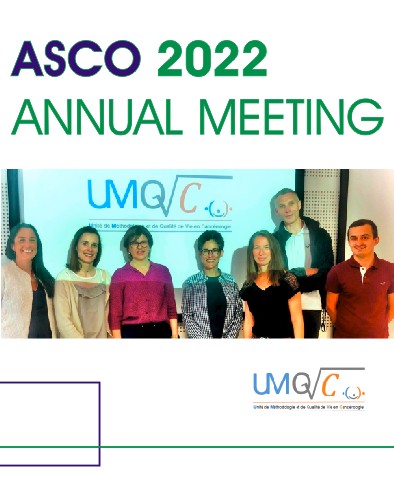
UMQVC : une alliée efficace pour la recherche en oncologie
Fondée en 1964, l’American Society of Clinical Oncology (ASCO) est la principale organisation professionnelle au monde pour les médecins, chercheurs et spécialistes… -
Recherche
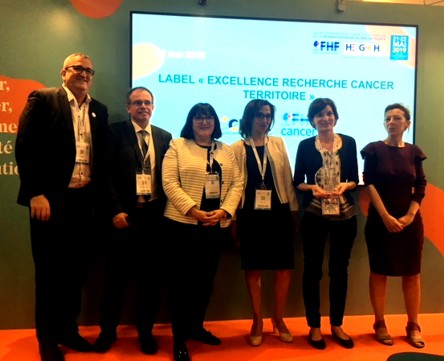
Et le prix « Excellence Recherche Cancer Territoire » est attribué à…
Le CHU de Besançon s’est vu décerner le prix « Excellence Recherche Cancer Territoire » le 22 mai dernier, à l’occasion du…
Contributions aux publications scientifiques du CHU Besançon Franche-Comté
[Why is pancreatic adenocarcinoma resistant to immunotherapy?].
Article originalLa Revue du praticien2026-Oct
Auteurs CHU : Borg Christophe, Vienot Angélique
Immunotherapy, particularly immune checkpoint inhibitors (ICI), has revolutionized cancer treatment but remains largely ineffective in pancreatic adenocarcinoma. This resistance is due to the tumor's complex microenvironment and low immunogenicity. ICI have shown benefits only in rare MSI-High or dMMR tumors. Combining ICI with chemotherapy has not significantly improved survival outcomes. Pancrea
Clinical and biological determinants of multimodal metronomic chemotherapy efficacy in chemo-refractory gastrointestinal cancers.
Article originalInternational journal of cancer2026-Jan
Auteurs CHU : El Kaddissi Antoine, Kroemer Marie, Nguyen Thierry, Klajer Elodie, Fein Francine, Borg Christophe, Vienot Angélique
The treatment of chemo-refractory metastatic gastrointestinal carcinoma is a consequential medical need still unmet, and the presence of a tumor-permissive environment is recognized as the main resistance factor. Metronomic administration of chemotherapy might be a simple strategy to target the tumor microenvironment, circumvent angiogenesis, and deplete immune suppressive cells. However, the effi
Neoadjuvant pembrolizumab with a watch‑and‑wait strategy for localized MSI/dMMR colon cancer : Study protocol for a randomized GERCOR 109 – PRODIGE 84 phase II trial (PREMICES).
Article originalDigestive and liver disease : official journal of the Italian Society of Gastroenterology and the Italian Association for the Study of the Liver2026-Jan
Auteurs CHU : Vienot Angélique, Vernerey Dewi
Microsatellite instability (MSI) or mismatch‑repair deficiency (dMMR) defines a biologically distinct subgroup of colorectal cancers that are highly responsive to immune checkpoint inhibition. Major and complete pathological responses have been observed with neoadjuvant immunotherapy, raising the possibility of avoiding upfront surgery in selected patients. PREMICES is a multicenter, open‑label, r
Targeting SALL4 with an HLA Class I-Restricted TCR for Cancer Immunotherapy.
Article originalCancer immunology research2026-Jan
Auteurs CHU : Asgarov Kamal, Vienot Angélique, Binda Delphine, Adotévi Olivier, Kroemer Marie, Borg Christophe
Aberrant expression of the oncogene SALL4 is associated with stemness, a more aggressive cancer phenotype, and reduced patient survival in various tumor types, making SALL4 a potential target for cancer immunotherapy. We conducted a transcriptional analysis of SALL4 expression in colorectal cancer tissues and demonstrated that SALL4 was overexpressed in primary tumors and paired liver metastases.
Characterization and clinical outcomes of rare biliary adenosquamous carcinoma.
Article originalEuropean journal of surgical oncology : the journal of the European Society of Surgical Oncology and the British Association of Surgical Oncology2025-Aug
Auteurs CHU : Ruffat Anne, Monnien Franck, Molimard Chloé, Fein Francine, Doussot Alexandre, Vuitton Lucine, Borg Christophe, Vienot Angélique
Data are scarce regarding biliary adenosquamous carcinoma (BASC) due to its low incidence. BASC displays a worse prognosis than adenocarcinoma and its specific treatment is still an unmet medical need. We conducted a description analysis of BASC including clinicopathologic parameters and treatment outcomes. All consecutive patients with histologically proven BASC diagnosed in six French hospitals
Voir les 25 autres publications
Deciphering human endogenous retrovirus expression in colorectal cancers : exploratory analysis regarding prognostic value in liver metastases.
Article originalEBioMedicine2025-Jun
Auteurs CHU : Viot Julien, Monnien Franck, Selmani Zohair, Adotevi Olivier, Vienot Angélique, Vernerey Dewi, Borg Christophe
Human Endogenous RetroVirus (HERV) expression in tumours reflects epigenetic dysregulation of cancer and an oncogenic factor through promoter/enhancer action on genes. While more than 50% of colorectal cancers develop liver metastases, HERV has not been studied in this context. We collected 400 RNA-seq samples from over 200 patients with primary and liver metastases, including public data and a no
Ezabenlimab and induction chemotherapy followed by adaptive chemoradiotherapy in patients with stage 3 squamous cell anal carcinoma (INTERACT-ION): an open-label, single-arm, phase 2 trial.
Article originalThe Lancet. Oncology2025-Dec
Auteurs CHU : Kim Stefano, Boustani Jihane, Iseas Soledad, Vernerey Dewi, Vienot Angélique, Nguyen Thierry, Rebucci-Peixoto Magali, Meurisse Aurélia, Borg Christophe
The standard of care for patients with locally advanced squamous cell anal carcinoma (SCAC) is concurrent chemoradiotherapy; however, recurrence rates are almost 40% and severe toxic effects include treatment-related colostomy. Anti-PD-1 agents are effective in those with treatment-naive recurrent or metastatic SCAC. We aimed to evaluate the activity and safety of the PD-1 inhibitor ezabenlimab pl
First-line chemotherapy with selective internal radiation therapy for intrahepatic cholangiocarcinoma : The French ACABi GERCOR PRONOBIL cohort.
Article originalJHEP reports : innovation in hepatology2025-Feb
Auteurs CHU : Henriques Julie, Vernerey Dewi, Vienot Angelique
Selective internal radiation therapy (SIRT) is a promising option for liver-only unresectable intrahepatic cholangiocarcinoma (iCCA). The Real-SIRTCCA study retrospectively assessed the benefit of adding SIRT to chemotherapy in this setting within the French nationwide observational cohort ACABi-GERCOR-PRONOBIL. Inclusion criteria were advanced iCCA with limited or no extrahepatic disease, treated
Liver metastases of colorectal cancer contain different subsets of tissue-resident memory CD8 T cells correlated with a distinct risk of relapse following surgery.
Article originalOncoimmunology2025-Dec
Auteurs CHU : Doussot Alexandre, Kroemer Marie, El Kaddissi Antoine, Vienot Angélique, Viot Julien, Lakkis Zaher, Monnien Franck, Borg Christophe
Tissue-resident memory (T) T cells have emerged as key players in cancer immunosurveillance, and their presence has been linked to a favorable clinical outcome in solid cancer patients. Liver metastases exhibit a highly immunosuppressive tumor microenvironment, however, the role and clinical impact of T cell infiltration in colorectal cancer remain elusive. The expression of several tissue residen
Management of biliary tract cancers in elderly patients : a French multicenter retrospective study (PRONOBIL-ACABi).
Article originalTherapeutic advances in medical oncology2025
Auteurs CHU : Henriques Julie, Vienot Angelique
Biliary tract cancers (BTC) are often diagnosed after the age of 70, when comorbidities and compromised performance status (PS) are more prevalent. This study compared clinical and disease characteristics and outcomes in BTC patients aged ⩽70 and >70 years. PRONOBIL-ACABI is a cohort study including 1256 BTC patients treated across 16 French centers from January 2003 to June 2021. We analyzed demo
Regorafenib and metronomic capecitabine, cyclophosphamide, and aspirin in refractory metastatic colorectal cancer : results from the REPROGRAM-01 single-arm phase II trial.
Article originalESMO gastrointestinal oncology2025-Dec
Auteurs CHU : El Kaddissi A, Vienot A, Nguyen T, Klajer E, Fein F, Stouvenot M, Almotlak H, Selmani Z, Folletet A, Borg C
Treatment of chemotherapy-resistant metastatic colorectal cancers (mCRCs) is still an unmet medical need. Combining regorafenib, an antiangiogenic multikinase inhibitor with metronomic chemotherapy and aspirin may enhance efficacy to circumvent the tumor microenvironment and offer better clinical outcomes. REPROGRAM-01 was a signal-seeking phase II study assessing the efficacy and safety of multim
Stanniocalcin 1 in Patients with Refractory Colorectal Cancer Treated with Regorafenib : A Post Hoc Biomarker Analysis of the TEXCAN and CORRECT Trials.
Article originalCancer research communications2025-Feb
Auteurs CHU : Vienot Angélique, Vernerey Dewi, Bouard Adeline, Klajer Elodie, Kim Stefano, Wespiser Mylène, Spehner Laurie, Borg Christophe
Biomarkers for antiangiogenic drugs in chemorefractory metastatic colorectal cancer (mCRC) are lacking. We investigated the relationship between stanniocalcin 1 (STC1) and outcomes in patients treated with regorafenib in the TEXCAN and CORRECT trials. Baseline plasma STC1 protein levels were measured by ELISA from patients with chemorefractory mCRC enrolled in TEXCAN (regorafenib n = 48) and CORRE
CD3-CD8 immune score associated with a clinical score stratifies PDAC prognosis regardless of adjuvant or neoadjuvant chemotherapy.
Article originalOncoimmunology2024
Auteurs CHU : Vienot Angélique, Borg Christophe, Monnien Franck, Bibeau Frederic
Stratification of the prognosis of pancreatic cancer (PDAC) patients treated by surgery is based solely on clinical variables, such as tumor stage and node status. The development of biomarkers of relapse is needed, especially to drive administration of adjuvant therapy in this at-risk population. Our study evaluates the prognostic performance of a CD3- and CD8-based immune score. CD3, CD8 and Fox
COL25A1 and METAP1D DNA methylation are promising liquid biopsy epigenetic biomarkers of colorectal cancer using digital PCR.
Article originalClinical epigenetics2024-Oct
Auteurs CHU : Overs Alexis, Molimard Chloé, Monnien Franck, Vienot Angélique, Viot Julien, Borg Christophe, Feugeas Jean-Paul, Selmani Zohair
Colorectal cancer is a public health issue and was the third leading cause of cancer-related death worldwide in 2022. Early diagnosis can improve prognosis, making screening a central part of colorectal cancer management. Blood-based screening, diagnosis and follow-up of colorectal cancer patients are possible with the study of cell-free circulating tumor DNA. This study aimed to identify novel DN
Deep Multiple Instance Learning Model to Predict Outcome of Pancreatic Cancer Following Surgery.
Article originalBiomedicines2024-Dec
Auteurs CHU : Molimard Chloe, Vienot Angelique, Borg Christophe, Monnien Franck, Bibeau Frédéric
: Pancreatic ductal adenocarcinoma (PDAC) is a cancer with very poor prognosis despite early surgical management. To date, only clinical variables are used to predict outcome for decision-making about adjuvant therapy. We sought to generate a deep learning approach based on hematoxylin and eosin (H&E) or hematoxylin, eosin and saffron (HES) whole slides to predict patients' outcome, compare these
Management of biliary tract cancers in early-onset patients : A nested multicenter retrospective study of the ACABI GERCOR PRONOBIL cohort.
Article originalLiver international : official journal of the International Association for the Study of the Liver2024-Aug
Auteurs CHU : Viénot Angélique, Henriques Julie, Vernerey Dewi
Accumulating data has shown the rising incidence and poor prognosis of early-onset gastrointestinal cancers, but few data exist on biliary tract cancers (BTC). We aimed to analyse the clinico-pathological, molecular, therapeutic characteristics and prognosis of patients with early onset BTC (EOBTC, age ≤50 years at diagnosis), versus olders. We analysed patients diagnosed with intrahepatic cholang
Targeting mTOR signaling for the treatment of intrahepatic cholangiocarcinoma with TSC1/ARID1A mutations : a case report with an unexpected response.
Article originalTherapeutic advances in medical oncology2024
Auteurs CHU : Daugan Clémentine, Borg Christophe, Vienot Angélique
Biliary tract cancer incidence is increasing and the prognostic remains dismal. The development of personalized medicine is a pivotal issue in proposing therapeutic options for biliary tract cancer patients. Whole exome sequencing identifies approximately 15% of mutations and 15% of fusions in intrahepatic cholangiocarcinoma. Other patients are not currently eligible for targeted therapy. Here,
CD8 CD226 T cells in liver metastases dictate the prognosis of colorectal cancer patients treated with chemotherapy and radical surgery.
Article originalCellular & molecular immunology2023-Apr
Auteurs CHU : Viot Julien, Vienot Angélique, Spehner Laurie, Klajer Elodie, Molimard Chloé, Monnien Franck, Bibeau Frederic, Turco Celia, Heyd Bruno, Doussot Alexandre, Borg Christophe, Kroemer Marie
CD226 has been reported to participate in the rescue of CD8 T cell dysfunction. In this study, we aimed to assess the prognostic value of CD226 in tumor-infiltrating lymphocytes (TILs) derived from colorectal cancer (CRC) liver metastases treated with chemotherapy and radical surgery. TILs from 43 metastases were isolated and analyzed ex vivo using flow cytometry. CD155 and CD3 levels in the tumor
DCF versus doublet chemotherapy as first-line treatment of advanced squamous anal cell carcinoma : a multicenter propensity score-matching study.
LettreExperimental hematology & oncology2023-Jul
Auteurs CHU : Kim Stefano, Vienot Angélique, Jacquin Marion, Klajer Elodie, Nguyen Thierry, Vernerey Dewi, Meurisse Aurélia, Borg Christophe
Triplet DCF (docetaxel, cisplatin and 5-flurouracil) and doublet CP/CF (carboplatin and paclitaxel/cisplatin and 5-fluorouracil) regimens were prospectively evaluated in advanced squamous anal cell carcinoma (SCCA), and validated as standard treatments. Even though the high efficacy and good tolerance of DCF regimen were confirmed in 3 independent prospective trials, doublet CP regimen is still re
Evaluation of the interest to combine a CD4 Th1-inducer cancer vaccine derived from telomerase and atezolizumab plus bevacizumab in unresectable hepatocellular carcinoma : a randomized non-comparative phase II study (TERTIO – PRODIGE 82).
Article originalBMC cancer2023-Jul
Auteurs CHU : Vienot Angélique, Jacquin Marion, Rebucci-Peixoto Magali, Pureur Dimitri, Stouvenot Morgane, Di Martino Vincent, Muller Allison, Clairet Anne-Laure, Fagnoni-Legat Christine, Adotevi Olivier, Meurisse Aurélia, Vernerey Dewi, Borg Christophe
Several cancer immunotherapies that target the PD-L1/PD-1 pathway show promising clinical activity in patients with hepatocellular carcinoma (HCC). However, the standard of care in first-line treatment with atezolizumab (anti-PD-L1 therapy) in combination with bevacizumab is associated with a limited objective response rate. Telomerase reverse transcriptase (TERT) activation meets the criteria of
SALL4-related gene signature defines a specific stromal subset of pancreatic ductal adenocarcinoma with poor prognostic features.
Article originalMolecular oncology2023-Jul
Auteurs CHU : Vienot Angélique, Monnien Franck, Molimard Chloé, Bibeau Frédéric, Borg Christophe
Pancreatic ductal adenocarcinoma (PDAC) is marked by molecular heterogeneity and poor prognosis. Among the stemness-related transcription factors, Spalt-like Transcription Factor 4 (SALL4) is correlated with unfavorable outcomes; however, its roles in PDAC remain unclear. SALL4 expression defines a PDAC subpopulation characterized by a shortened patient survival. Although SALL4 expression was most
The presence of senescent peripheral T-cells is negatively correlated to COVID-19 vaccine-induced immunity in cancer patients under 70 years of age.
Article originalFrontiers in immunology2023
Auteurs CHU : Orillard E, Spehner L, Mansi L, Falcoz A, Lepiller Q, Vienot A, Kroemer M, Borg C
Cancer patients are at risk of severe COVID-19 infection, and vaccination is recommended. Nevertheless, we observe a failure of COVID-19 vaccines in this vulnerable population. We hypothesize that senescent peripheral T-cells alter COVID-19 vaccine-induced immunity. We performed a monocentric prospective study and enrolled cancer patients and healthy donors before the COVID-19 vaccination. The pri
A Phase II Study Evaluating the Interest to Combine UCPVax, a Telomerase CD4 T1-Inducer Cancer Vaccine, and Atezolizumab for the Treatment of HPV Positive Cancers : VolATIL Study.
Article originalFrontiers in oncology2022
Auteurs CHU : Rebucci-Peixoto Magali, Vienot Angélique, Adotevi Olivier, Jacquin Marion, Maurina Tristan, Kalbacher Elsa, Bazan Fernando, Meynard Guillaume, Clairet Anne-Laure, Fagnoni-Legat Christine, Vernerey Dewi, Meurisse Aurélia, Kim Stefano, Borg Christophe, Mansi Laura
There is a strong rational of using anti-programmed cell death protein-1 and its ligand (anti-PD-1/L1) antibodies in human papillomavirus (HPV)-induced cancers. However, anti-PD-1/L1 as monotherapy induces a limited number of objective responses. The development of novel combinations in order to improve the clinical efficacy of an anti-PD-1/L1 is therefore of interest. Combining anti-PD-1/L1 thera
Chemokine switch regulated by TGF-β1 in cancer-associated fibroblast subsets determines the efficacy of chemo-immunotherapy.
Article originalOncoimmunology2022
Auteurs CHU : Vienot Angélique, Viot Julien, Borg Christophe
Combining immunogenic cell death-inducing chemotherapies and PD-1 blockade can generate remarkable tumor responses. It is now well established that TGF-β1 signaling is a major component of treatment resistance and contributes to the cancer-related immunosuppressive microenvironment. However, whether TGF-β1 remains an obstacle to immune checkpoint inhibitor efficacy when immunotherapy is combined w
Interest of the Addition of Taxanes to Standard Treatment in First-Line Advanced HER2 Positive Gastroesophageal Adenocarcinoma in Selective Patients.
Article originalFrontiers in oncology2022
Auteurs CHU : Orillard Emeline, Henriques Julie, Vernerey Dewi, Almotlak Hamadi, Calcagno Fabien, Fein Francine, Jary Marine, Klajer Elodie, Vienot Angelique, Borg Christophe, Kim Stefano
Studies have reported a beneficial role of the addition of trastuzumab to platin-5-FU based chemotherapy in first-line advanced HER2 positive gastroesophageal adenocarcinoma (GEA). However, the effect of taxanes combined with platin-5FU + trastuzumab (PFT) is understudied. We performed a retrospective cohort study to evaluate the interest of taxanes among HER2-positive advanced GEA patients treate
Long-Term Disease Control After locoregional Pelvic Chemoradiation in Patients with Advanced Anal Squamous Cell Carcinoma.
Article originalFrontiers in oncology2022
Auteurs CHU : Grave Athénaïs, Pernot Mandy, Vienot Angélique, Kim Stefano, Borg Christophe, Boustani Jihane
The incidence of metastatic squamous cell carcinoma of the anus (SCCA) is increasing. Even if systemic docetaxel, cisplatin, and 5-Fluorouracil (DCF) provide a high rate of long-term remission, the role of pelvic chemoradiation (CRT) is unknown in this setting. We reported the safety and efficacy of local CRT in patients with synchronous metastatic SCCA who achieved objective response after upfron
Modified DCF (Docetaxel, Cisplatin and 5-fluorouracil) chemotherapy is effective for the treatment of advanced rectal squamous cell carcinoma.
Article originalFrontiers in oncology2022
Auteurs CHU : Hervé Laure, Boustani Jihane, Klajer Elodie, Pernot Mandy, Nguyen Thierry, Lakkis Zaher, Borg Christophe, Vienot Angélique
Advanced rectal squamous cell carcinoma (rSCC) is a very rare and aggressive entity, and the best initial management is crucial for long survival as well as organ preservation and quality of life. Whereas local diseases are treated with chemo-radiotherapy and salvage surgery, data are scarce on how to treat more advanced diseases, and the role of induction chemotherapy is unknown. We retrospective
Prognostic role of HPV integration status and molecular profile in advanced anal carcinoma : An ancillary study to the epitopes-HPV02 trial.
Article originalFrontiers in oncology2022
Auteurs CHU : Meurisse Aurélia, Prétet Jean-Luc, Monnien Franck, Spehner Laurie, Vienot Angélique, Molimard Chloé, Mougin Christiane, Kim Stefano, Borg Christophe
Squamous Cell Carcinoma of the Anal canal (SCCA) is a rare disease associated with a Human Papillomavirus (HPV) infection in most cases, predominantly the HPV16 genotype. About 15% of SCCA are diagnosed in metastatic stage and some will relapse after initial chemoradiotherapy (CRT). Treatment of patients by Docetaxel, Cisplatin and 5-fluorouracil (DCF) has been recently shown to improve their comp
Second-line treatment after docetaxel, cisplatin and 5-fluorouracil in metastatic squamous cell carcinomas of the anus. Pooled analysis of prospective Epitopes-HPV01 and Epitopes-HPV02 studies.
Article originalEuropean journal of cancer (Oxford, England : 1990)2022-Feb
Auteurs CHU : Stouvenot Morgane, Meurisse Aurélia, Jary Marine, Almotlak Hamadi, Vienot Angélique, Jacquin Marion, Nguyen Thierry, Vernerey Dewi, Borg Christophe, Kim Stefano
Squamous cell carcinoma of the anus (SCCA) is a rare disease often diagnosed at a localised stage. For locally advanced recurrence or metastatic disease, DCF (docetaxel, cisplatin, 5-fluorouracil) demonstrated high efficacy and became one of the standard regimens. However, there is no standard of care in the second line. In the Epitopes-HPV01 and Epitopes-HPV02 prospective trials, 115 patients wit
Tissue-resident memory T cells in gastrointestinal cancer immunology and immunotherapy : ready for prime time ?
Revue de la littératureJournal for immunotherapy of cancer2022-Apr
Auteurs CHU : Arfa Sara, Kroemer Marie, Vienot Angélique, Heyd Bruno, Doussot Alexandre, Borg Christophe
Tissue-resident memory T (T) cells have emerged as immune sentinels that patrol the tissue microenvironment and orchestrate localized antitumor immunity in various solid cancers. Recent studies have revealed that T cells are key players in cancer immunosurveillance, and their involvement has been linked to favorable responses to immunotherapy as well as general better clinical outcome in cancer pa